
At the age of 21, she is taking over the company where she completed her work-study placement
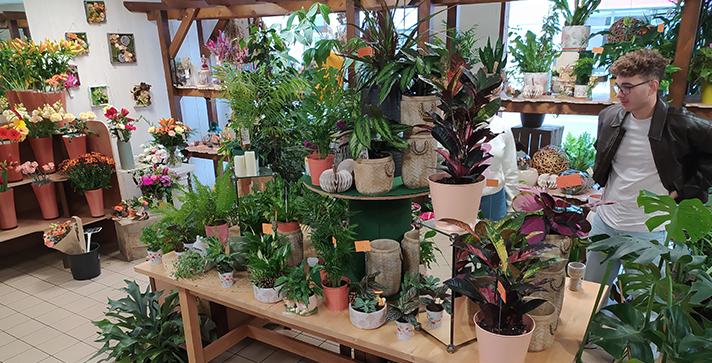

Honorine MEUNIER
Director of the La fée des Fleurs
Florist
My age has actually been an advantage, as I’ve been able to access a lot of financial support, particularly the grant Jeune Accès+ from France Active


Secondigny, 79130
Florist
It was in Secondigny, a village of 3,000 inhabitants, that this young florist decided to take over the shop where she had completed her CAP apprenticeship and to stock it with locally sourced flowers. Open for barely a year, the shop has built up a loyal customer base and breathed new life into the local community.
Drawing on one’s roots
The countryside, the nature, the flowers: Honorine grew up there and remains deeply attached to it. As a child, she would make her first bouquets with her grandmother during long walks in search of wildflowers.
With her A-levels degree, the big question of what to do next arose. “I couldn’t see myself spending my days sitting in a lecture theatre,” she confides. The answer was clear: she enrolled on a floristry vocational course, a choice that allowed her to combine practical training with creativity.
It was during her training that she became aware of the hidden side of the floristry industry: production that is often imported, heavy on pesticides and not very environmentally friendly. These realisations strengthened her convictions: she wanted to practise her trade differently, using local, seasonal and sustainably grown flowers.
Making the most of her commitments
When her apprenticeship supervisor, Mathilde Talbot, told her she wanted to sell the shop, Honorine saw it as a unique opportunity to put her ideas into practice. With the support of her parents and guided by her convictions, she decided to take over the business to develop a range of products that are sustainable and socially responsible.
“I wanted to offer something different in my region, and above all to encourage more conscious consumption,” she explains.
Honorine embodies a generation that wants to do business differently, bringing a more committed approach to environmental issues.
Ideas that spring to mind every day
A year after the takeover, the shop continues to reinvent itself.
“This week, I received a delivery from a flower farm in Deux-Sèvres, just a few kilometres from my workshop,” says Honorine enthusiastically. Among the deliveries: vibrant sunflowers and a variety of seasonal flowers. Today, her customers fully understand the importance of where the flowers come from and their impact on their health and the planet.
While the shop is first and foremost a florist’s, it has also transformed into a delicatessen, offering local products: jams, teas, chocolates and handmade soaps.
This shift is part of the same philosophy: to promote regional expertise and create a vibrant hub in the heart of the village.
A vibrant and inspiring youth
Her young age may come as a surprise to some, but Honorine has turned it into a strength. With the support of France Active, she was able to secure a bank guarantee and join a network of regional entrepreneurs. These exchanges have helped her to consolidate her business plan and gain confidence in her role as a business owner. Today, Honorine is brimming with ideas for developing new partnerships and expanding her range. With local flowers, regional products and personalised advice, she is gradually building a business that reflects her own character: authentic, committed and full of life.
The energy of the younger generation and the support of our partners
Supporting young people under the age of 26 means investing in a generation that dares to start a business right at the start of their working lives. Together with its partners, France Active offers them practical support: helping them to structure their business plans, access bank guarantees without a personal guarantee, and benefit from advice and networking opportunities.
In 2024, thanks to the MAIF Solidarity Fund, the ENGIE Agir pour l’Emploi Foundation and the Duval Foundation, 10 projects were awarded €5,000 each.
Each year, nearly 1,000 young people are supported in this way. These projects reflect the energy and diversity of initiatives emerging across the regions, driven by the commitment and perseverance of a new generation of entrepreneurs.
Has benefited
from a guarantee of
€35,000
from a Jeune Accès+ grant
€1,000
from a grant (winner of the “Jeunes et engagés 2025” award)
€5,000
from an investment of
€8,000
Were supported by
France Active Nouvelle Aquitaine
In 2024
It’s here !

Others stories

[bloc_ajax params="{count:7,ess:0}"]
More stories
From Europe to the Regions: an active cooperation to promote territorial cohesion
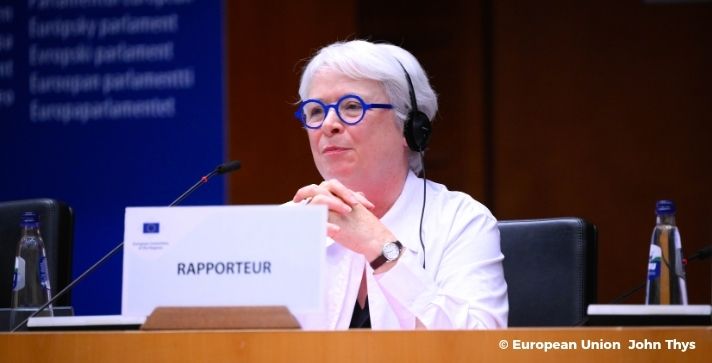
To mark the Europe Day, France Active interviewed Isabelle Boudineau, Regional Councillor for Nouvelle-Aquitaine region and Chair of the French delegation at the European Committee of the Regions (CoR). This discussion highlights just how vital Europe is to the economic development of the regions. As for the role of this Committee, it has taken on a decisive one in shaping public policies by acting as a forum for dialogue and consultation between the regions and the European institutions.
Since 2014, the regions have been managing the vast majority of European Structural Funds. We are now approaching the end of the second programming period during which they have been managing authorities. What lessons have you learnt from these two programming cycles?
The Regions and Europe form a partnership working to promote territorial and social cohesion. This is the result of a political initiative led by Alain Rousset, then President of the Régions de France association, who persuaded François Hollande to entrust the Regions directly with the bulk of the management of European funds. This is indeed an act of decentralisation in all but name, and it is a genuine tool for the development of regional policies. It makes perfect sense, given that there is complete alignment between European strategies and the regions’ competences, particularly regarding economic development in the broadest sense: competitiveness, research, innovation, employment and vocational training.
How does European support for the Nouvelle-Aquitaine region translate into concrete action?
In our region, the EU cohesion policy budget for the 2021–2027 programming period (ERDF and ESF+), amounts to €875 million. We are allocating over €300 million to competitiveness and innovation initiatives. As for the energy and ecological transition, this accounts for over 40% of the ERDF budget, €250 million, whereas Europe requires us to allocate only 30% to this area. This is in line with the European Green Deal, a political decision specific to our region. Another distinctive feature of our regional approach is that we are entrusting local stakeholders with €124 million from the ERDF so that they can work closely with local residents. These latter organise themselves into Local Action Groups and sign a territorial development contract with the Region. We are channelling 17% of ERDF funding into this initiative, in addition to the Leader programme (funds dedicated to rural areas), amounting to a total of €193 million in leverage for these areas.
What is the concrete contribution of the European policy supporting social and solidarity economy (SSE) actors?
We are quite proud of the way we are channelling ESF funding into the social and solidarity economy, as exemplified by our AMPLI scheme (Support for the Launch of Local and Innovative Micro-Projects). All the Region’s initiatives relating to the SSE are co-financed by the ESF. We have a total budget of €23 million, which has supported around 260 projects to date. Part of this funding goes towards SSE support networks, which in turn support and structure the ecosystem. We also fund employment cooperatives and incubators. More broadly, we contribute to the professionalisation of stakeholders.
It is also worth noting that we assist the Region’s economic stakeholders in preparing applications for European funding submitted to the Commission.
You have been chairing the French delegation to the European Committee of the Regions for the past year and a half. What role does it play in the development of European policies?
Before starting working with European affairs within the Region in 2016, I was unaware of the role of this committee, a body that has grown in influence and importance within the European political landscape. It has gained significance, particularly in the face of rising Euroscepticism: for the European Commission, it serves as a means of having a network of local representatives to assess the feasibility of their proposals. Now the Commissioners all come to present major policies and gauge the Regions’ views.
Although advisory in nature, the Committee of the Regions is fully integrated with the work of the Parliament. Our opinions are timed to coincide with the schedule of texts presented to the Parliament so that the voice of the Regions can be heard in the debates. MEPs have, moreover, clearly understood the value of consulting us and drawing on our examples. We act as watchdogs, evaluators and inspirers of European policies.
And as for the 2028–2034 programming period, what are the initial priorities taking shape?
Last July, the Commission’s President announced the merger of two major European policies – cohesion policy and the common agricultural policy – into a single pillar. In other words, there will be real competition within this new pillar, particularly in France, and cohesion policy will become the adjustment variable for the new programming period.Another concern relates to the governance of European funds, particularly the retention of the Regions as managing authorities with the capacity to draw up their own regional programmes focused on priorities they deem beneficial to their local areas. We see a risk here that funding will be channelled towards large companies at the expense of SMEs and micro-enterprises, and the organisations that need it most. Our SMEs are not on the government’s radar, yet they are the ones creating jobs.
We also have concerns regarding the social and solidarity economy. Indeed, whilst a 14% allocation for social objectives is planned, the role of the SSE within this is unclear. Questions arise: will the social economy continue to be covered by the ESF+? Or partly by the ERDF? Or within a second pillar linked to competitiveness, a new instrument (Facility) managed directly by the European Commission?
These questions make it difficult to prepare this new programming period. To date, we are unable to engage regional stakeholders in developing the new roadmap for 2034, given the uncertainties surrounding both budget allocation and governance.
For more information about the European Committee of the Regions
Others news
[related_post_fa posts_per_page="15" post_id=12165 post_type="" post_category=""]
Our strategic priorities for 2030
In the face of today’s social and environmental challenges, France Active is committed to a solidarity-based economy, rooted in the realities of local communities and their inhabitants, to ensure a sustainable future for generations to come. Since 2015, this commitment has guided our work: we empower entrepreneurs to take action towards a more environmentally friendly, inclusive and democratic society.
Our ambition for 2030 is clear: collective empowerment based on an ever-more-ambitious vision of social engagement. To achieve this, we are mobilising financial stakeholders and public partners to break free from determinism and transform society. Our approach? Cooperation and the pooling of knowledge and initiatives, to create a movement for change that engages citizens. We work alongside national and local authorities, European institutions, the financial sector, mutual societies and social actors to innovate at the intersection of economic performance and social progress.
Among the four key areas that shape our strategic priorities for 2030, we are working to focus our efforts more effectively by supporting sectors where social and environmental challenges are important. Through this approach, we aim to:
- develop our expertise and tailor our solutions to the challenges and specific characteristics of each sector.
- promote pathways that enable the inclusion of those furthest from the labour market, value chains for support and investment.
- work with partners and stakeholder groups to build
- incorporate the regional dimension into our work, by adapting sector-specific challenges to the different regions.
Six priority sectors have been identified for 2030:
- Sustainable agriculture and food
- Solidarity, inclusion and social cohesion
- Local shops and services for residents
- The reuse and recycling economy
- Sustainable mobility and transport for all
- Renovation and new forms of housing
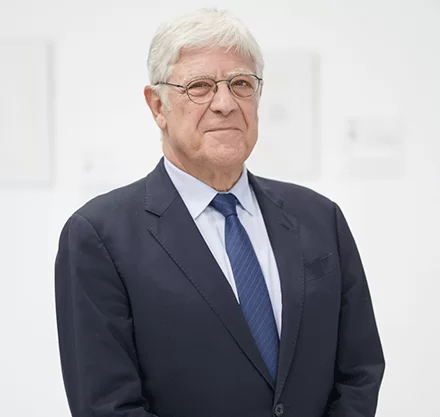
Pierre René LEMAS
Président of France Active
« Our new strategic plan is our new way of standing up and taking action at our level, so that together we can find a way forward and move towards a fairer, more inclusive society, towards a ‘desirable future. »
Others news

[related_post_fa posts_per_page="15" post_type="post" post_category="actualites"]
All news
Social utility at the heart of France Active’s work
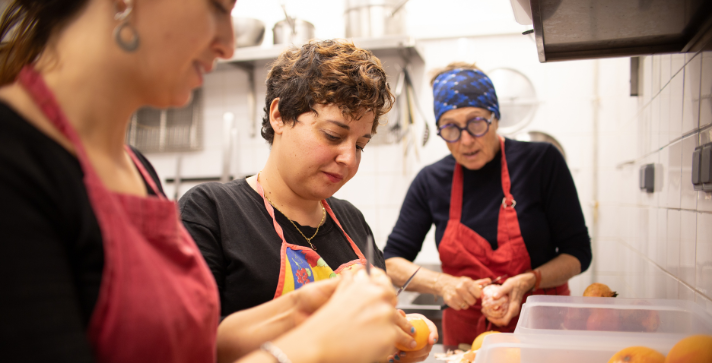
Discover the findings of France Active’s 2026 study on social utility: a tangible impact on employment and inclusion.
France Active, a key player in social finance, publishes a biennial study on the social utility of its work, carried out in partnership with CRÉDOC. The findings confirm the crucial role played by financial and non-financial support for entrepreneurs, particularly those in vulnerable situations and those with projects that have a significant social or environmental impact.
In figures
The study reveals a financial leverage effect of 2.8: for every euro invested by France Active, nearly three euros are mobilised from other partners. In terms of employment, the impact is equally significant, with a multiplier of 2.1: the number of jobs per project has more than doubled in five years, representing 9,478 additional jobs created by the 897 enterprises surveyed. Among the business leaders supported, 82% are in a vulnerable situation, and 15% are leading projects with high social or environmental value.
Another key finding: 78% of the supported businesses are still active after five years, a survival rate well above the national average (69%). 70% of vulnerable entrepreneurs emphasise that the non-financial support was crucial in developing their skills, a key asset for the sustainability of their business.
A proven model
The study highlights France Active’s ability to turn projects into lasting successes. Thanks to its support, only 15% of the most vulnerable entrepreneurs who abandoned their projects end up unemployed, demonstrating the resilience of those who receive support. The cost to the public purse? €1,500 per job created – a modest investment given the social and economic benefits generated.
A rigorous methodology
To assess this impact, the study draws on a quantitative and qualitative analysis of more than 7,000 entrepreneurs, with 897 completing the questionnaire. It also identifies areas for action to enhance the social and environmental impact of businesses, whilst safeguarding their development.
Outlook for the future
Finally, these results serve as a reminder of the importance of supporting a more inclusive economy, where every project counts.
Impact study 2026 by France Active
available only in French
Download the study
Others news

[bloc_ajax]
All News
Siel Bleu: physical activity for everyone, whatever your age
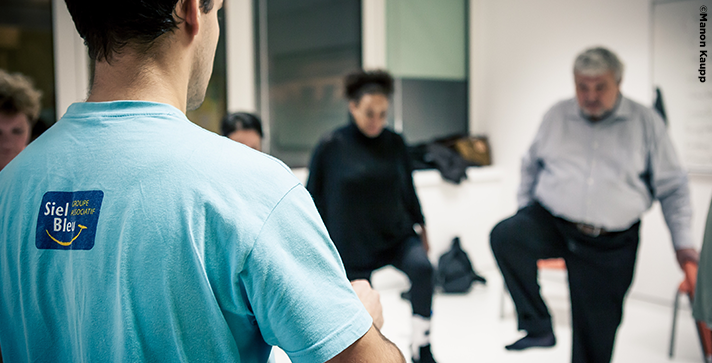
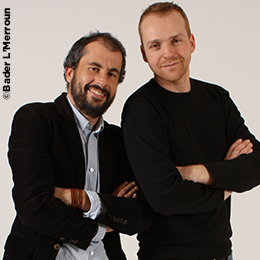
Jean-Daniel MULLER et Jean-Michel RICARD
Co-founders of Siel Bleu
Adapted physical activity
France Active has been supporting us for many years, helping us to successfully carry out our numerous projects.
Strasbourg (Bas-Rhin)
Adapted physical activity
Founded nearly 30 years ago in Strasbourg by two young graduates in physical education, Siel Bleu continues to grow. What is the association’s aim? To promote physical activity to prevent or reduce the effects of ageing and to rebuild social ties. It now carries out more than 500,000 sessions a year in France and employs around 870 people. Its growth extends beyond the French borders to Belgium, Ireland, Spain, Madagascar, Germany and Portugal.
At the beginning, Siel Bleu came out from an idea conceived by two physical education students who recognised the benefits of physical exercise in preventing the effects of ageing at a very early stage: “During an internship with elderly people, we developed a programme tailored to this group. At the end of the internship, they told us we shouldn’t let them down now that we were on the right track. That’s how Siel Bleu came about. We realised that physical activity also had psychological benefits. It brought a smile back to their faces, and it was by preserving these benefits that we wanted to develop all our programmes,” explains Jean-Daniel Muller. And it has been going strong for nearly 30 years.
Thanks to the word of mouth, the association grew very quickly: “We were receiving requests from other departments that we were unable to meet. From the second year onwards, we applied for a Local Support Scheme (DLA) to help us organise the association’s growth,” he adds.
Today, Siel Bleu offers adapted physical activity within care homes (nursing homes, hospitals, clinics, ESATs, independent living facilities) as well as group classes in gyms, community halls or outdoor for members of the association. Over the past six years, the association has been developing its own Health-Sport centres in Strasbourg, Mulhouse and Angers. Physical activity is at the heart of these centres. They are genuine community spaces, with general practitioners, psychologists and micro-nurseries complementing the services offered. Siel Bleu supports its beneficiaries with health issues in the broadest sense, as defined by the WHO, encompassing physical, mental and environmental health. The association also offers its beneficiaries advice on nutrition.
A fundraising campaign to finance seven development projects
To finance several development projects, a major fundraising campaign for membership shares has been launched in early 2023.
The objective was to finance no fewer than seven key projects:
- One of these focuses on sustainable transport to encourage as many people as possible to cycle or walk instead of driving.
- Siel Bleu is also working to train healthcare professionals and care assistants in supporting vulnerable people through non-pharmacological solutions (initial and continuing training) to address the shortage of trained staff and the lack of prescriptions for adapted physical activity, against a backdrop of an ageing population.
- The association also aims to digitalize its activities to expand its services and reach people who are too isolated or who are unable to access local support. Siel Bleu will develop a platform offering dedicated activities. To this end, the association has acquired a start-up that already offers remote physical activity programmes. Siel Bleu will develop programmes tailored to specific medical conditions via video conferencing or through adapted videos, using the technology developed by this start-up.
- The development of the Maisons Bleues is also on the agenda. These will be community spaces providing access to preventive healthcare and fostering social connections (sports and health centres, third places, independent living facilities).
- Siel Bleu is expanding internationally. To support all its projects, the association aims to establish a federation with a single objective: to reach an ever-increasing number of beneficiaries.
- Finally, it will develop new therapeutic activities. Every year, the association launches a new programme to address a specific need. The most recent one focused on endometriosis. It was developed in collaboration with specialists and is available throughout France and worldwide.
To help carry on these development projects, France Active has been supporting the association for years, notably through a PIA (Plan d’Investissement d’Avenir), a government initiative providing funding for specific projects. France Active also offers the association advice.
Any advice for an entrepreneur just starting out?
- To fully commit to the project if you believe in it: there are always difficult moments, but you must persevere.
- To know how to surround yourself with the right people: having two of us from the start was crucial, and we were very quickly well supported.
- Surround yourself with partners who can help you build the project with a fresh perspective, different skills, and ask the right questions: sometimes the idea is good but doesn’t resonate with the audience. You need to put your project to the test and not hesitate to go out and knock on doors.
Have benefited
from guarantees of
320 000€
from bonus of
65 000€
from investments of
950 000€
Were supported by
France Active Alsace
It’s here !
Others stories
[bloc_ajax params="{count:7,ess:0}"]
More stories
Women in business: motivations, barriers and solutions to take action
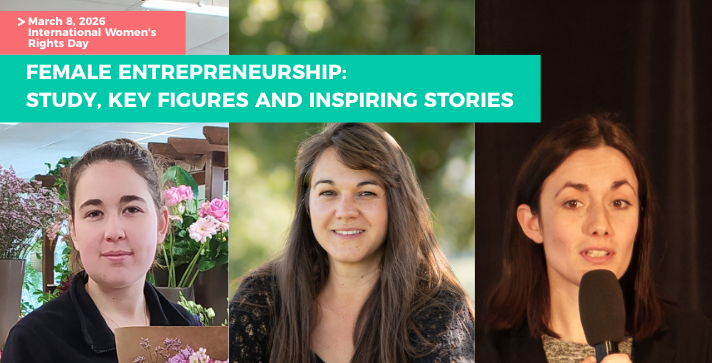
An increasing number of women are choosing to embark on an entrepreneurial journey, drawn by the idea of working for themselves and giving new meaning to their careers. According to a study carried out by OpinionWay for France Active and the French Banking Federation, to mark the International Women’s Day, 56% of women see entrepreneurship as an opportunity to give meaning to their lives, whilst 52% of them are willing to take the plunge to bring a personal idea to fruition.
A growing desire to start a business
The latest OpinionWay survey for France Active and the FBF reveals that the desire to start a business is growing among women, but the perception of obstacles remains strong. 24% are considering starting their own business (+3 percentage points), a figure that rises to 32% among the under 60.
What are their main motivations? 56% of women want to give meaning to their professional lives and 52% want to bring a personal idea to life. Among those under 35, it is mainly economic reasons that drive them to start a business: 34% see it as a way out of a precarious professional situation.
Against the backdrop of economic uncertainty, this survey also reveals that salaried employment is regaining ground, with 49% of women preferring to be employed (an increase of 8 percentage points compared with 2025) rather than starting their own business.
The barriers to female entrepreneurship
The obstacles identified by women wishing to start a business are mainly economic, psychological or administrative. For instance, one in three women feels to lack sufficient start-up capital, whilst 27% fear they will face difficulties in accessing finance.
Furthermore, one in three women is afraid of failure, and 29% underline the complexity of administrative procedures as a major obstacle to their plans.
Ways to encourage women to start their own businesses
To this end, the survey conducted by OpinionWay for France Active and the FBF highlights three measures that would help women to start their own businesses.
- Greater equality in the private sphere
For 49% of women, a fairer division of domestic and family responsibilities is an essential prerequisite for encouraging entrepreneurship — a view shared by only 39% of men. This desire is accompanied by a growing demand for measures to facilitate a work-life balance, supported by 49% of female respondents (+ 4 points compared with previous surveys).
- Simplification of administrative procedures
The simplification of administrative procedures is supported by 53% of French people, an increase of 5 percentage points compared with 2025. Reducing complexity would help to minimise discouragement and encourage people to take the plunge into entrepreneurship.
- Support schemes and trainings
42% of women emphasise the need for support, mentoring and training programmes to help secure their business ventures.
The survey by OpinionWay (in french)
Three inspiring and committed women
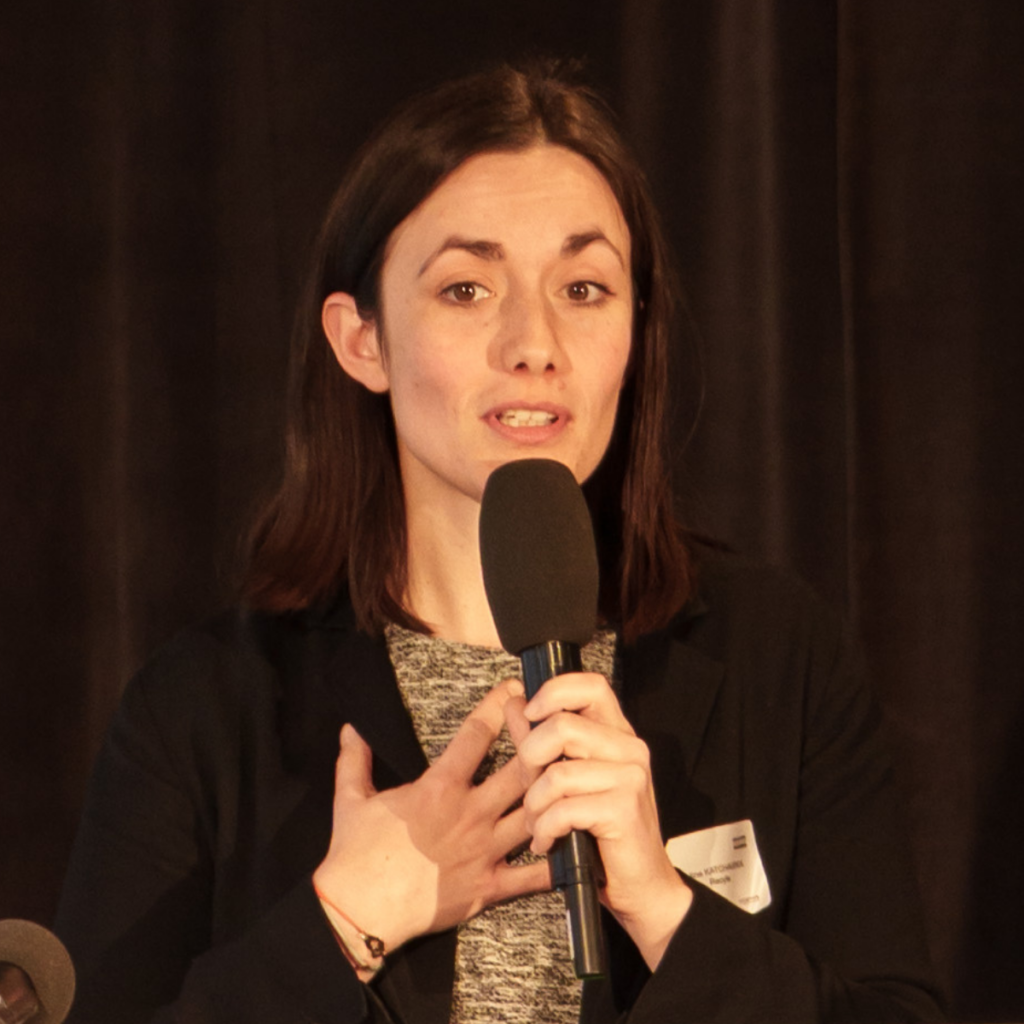
Pauline Katchavenda: inclusive, large-scale joinery recycling
Pauline Katchavenda, founder of Recyfe, is revolutionising the recycling of joinery in France with an inclusive circular economy model. At the helm of the country’s first national network for recycling end-of-life windows, she brings together 23 social enterprises to collect, process and reintroduce materials into new production, thereby reducing CO₂ emissions by over 60% per tonne of recycled glass. Her ambition is to make the entire construction sector circular, in partnership with giants such as Saint-Gobain, whilst creating local and inclusive jobs.
With Recyfe, Pauline Katchavenda demonstrates that the circular economy can combine environmental performance with social impact. The network, supported by France Active, recycles over 90% of a window’s components, preventing landfill and promoting reuse. Its approach, which is both innovative and rooted in local communities, is inspiring a new generation of entrepreneurs committed to a more sustainable and socially responsible construction industry.
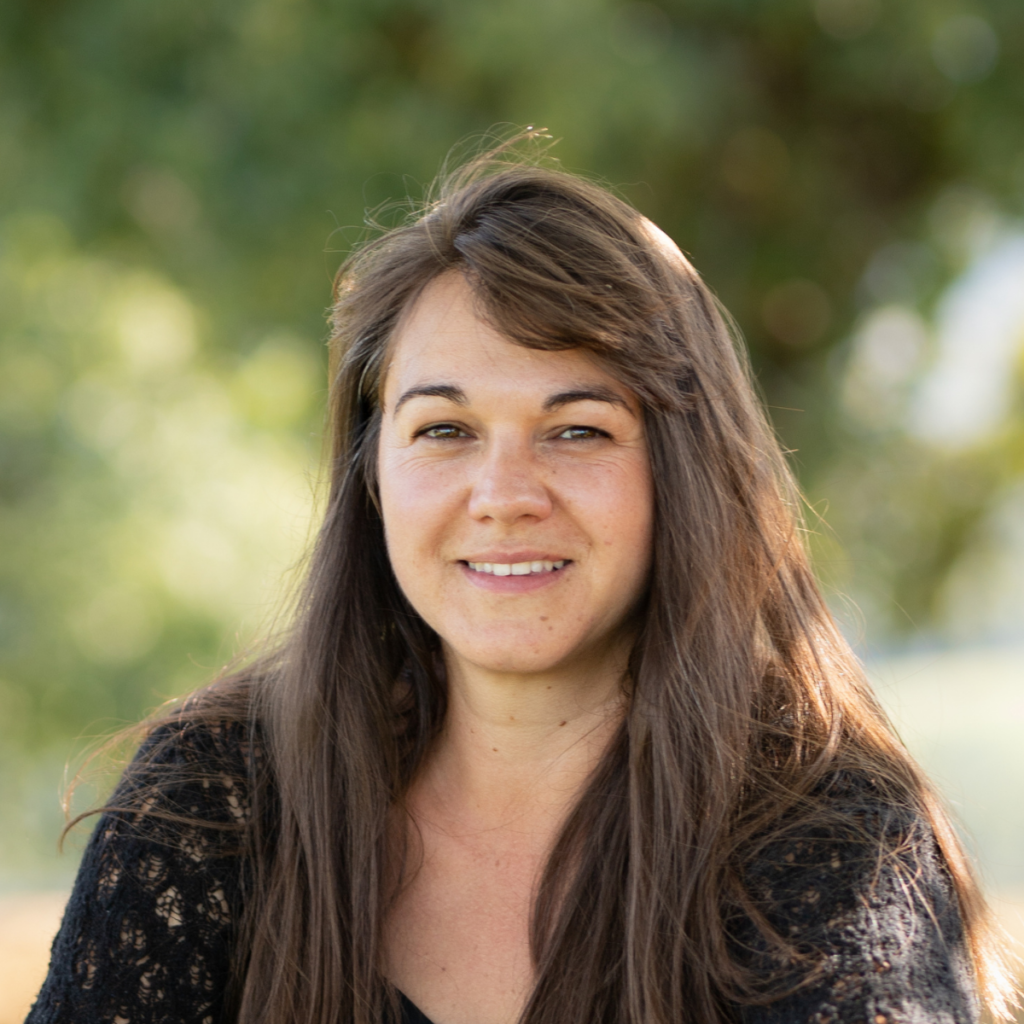
Maud Simian, stakeholder in a SCIC supporting local agriculture
In Ance Féas, five farmers have joined forces to set up a cooperative (SCIC) dedicated to the rearing, processing and sale of pigs within an ultra-local supply chain. Their aim: to make use of 600 hectares of abandoned communal land by rearing pigs in the open air (fewer than 10 per hectare), ensuring minimal environmental impact. Faced with a lack of nearby processing facilities, they have set up a canning factory and a shop, thereby creating a 100% local supply chain.
With the support of the local council and residents, they process 100 tonnes of meat a year and create five jobs, revitalising the valley’s economy. The project, set up with the help of France Active, combines environmental sustainability, local roots and cooperative governance. The meat, reared and processed within 15 minutes of the farm, appeals to a loyal customer base, whilst the SCIC embodies a sustainable alternative to industrial models. Proof that collective and responsible farming can sustain local communities.
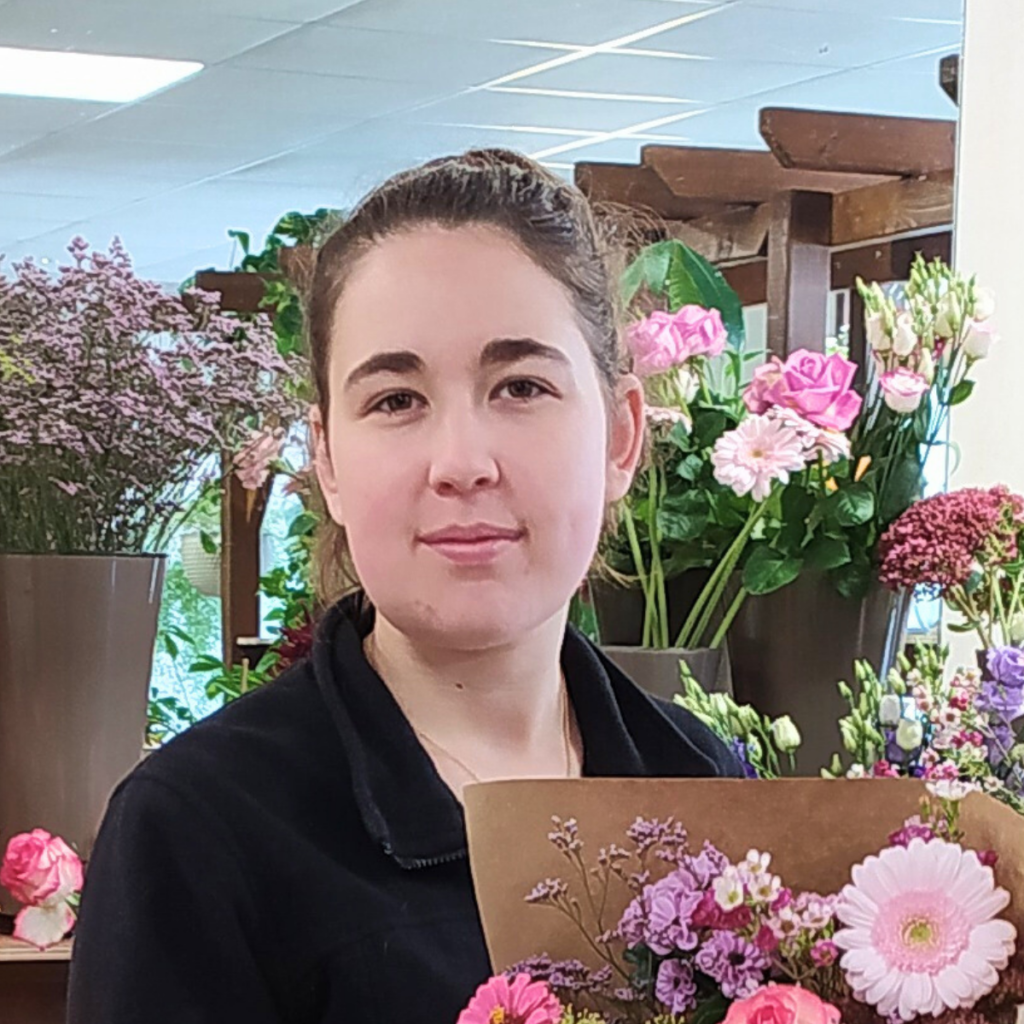
At the age of 21, she has taken over the shop where she completed her work-study placement
At the age of 21, Honorine Meunier has taken over the shop “La fée des Fleurs” in Secondigny, Nouvelle-Aquitaine, turning her work-study placement into a meaningful venture. Passionate about nature, she favours local, seasonal and pesticide-free flowers to promote responsible consumption: “This week, I received a delivery from a flower farm in Deux-Sèvres, located just a few kilometres from my workshop,” she tells us.
Supported by France Active, she embodies a bold, entrepreneurial spirit, combining environmental awareness with a strong local presence. Her aim is to promote conscious consumption and revitalise local life. Through local partnerships and a genuine offering, she demonstrates that young entrepreneurship goes hand in hand with sustainable innovation.
The Mirova Foundation supports women’s entrepreneurship
“Equal access to employment and entrepreneurship is a key driver of social justice and economic development. Yet, as this study shows, many women continue to face structural, social and cultural barriers that limit their ability to start and grow a business. Despite that, these three portraits prove that women’s entrepreneurship can be a powerful driver of independence, social innovation and life-changing opportunities! Supporting France Active and the associations that contribute to it also means supporting this!”
Anne-Claire Roux, Chief Executive of the Mirova Foundation
Advisory support plays a key role in ensuring the enterprises’ long-term viability. We believe that female entrepreneurship is a societal issue, which is why, for over 15 years, with the support of the Ministry for Gender Equality, we have been supporting women by facilitating their access to business start-ups. Any woman who wishes to start a business must have the same opportunities as her male counterpart. This is a duty that must concern society as a whole.
Others news
[bloc_ajax]
All News
Skravik: decarbonising the seas by sailing from Brest harbour
Laura TROUDET
Co-founder and director of Skravik
Sail fishing and scientific charter
Sail fishing and scientific charter
Since the beginning of the project, Skravik has benefited from the support and funding provided by France Active, which has helped to ensure its successful launch. This support has been crucial in enabling us to reach several key milestones, notably the acquisition of a second vessel, which is essential for the expansion of our fleet.
Plougastel-Daoulas (29)
Sail fishing and scientific charter
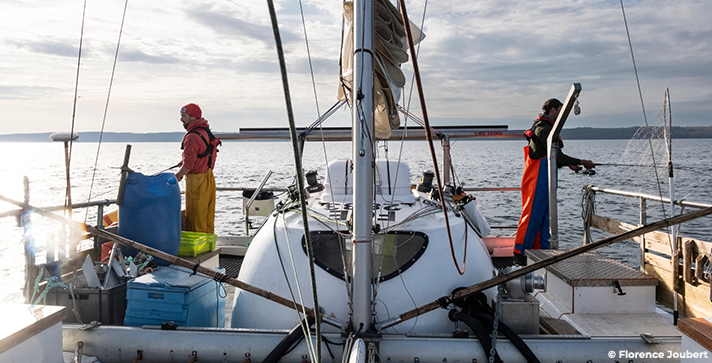
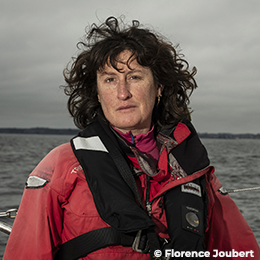
At the age of 37, Laura Troudet – a coastal oceanographer turned cooperative seafarer – co-founded Skravik, a maritime cooperative based in the harbour of Brest. Established in 2017 as an association, transformed into a SCIC in 2024, the organisation uses working sailing vessels to reinvent small-scale fishing and marine research, with a focus on sustainability and public interest.
The journey of a committed entrepreneur
After an initial career in scientific research, working on the Brittany coastline at the CNRS and Ifremer, Laura Troudet felt the need to get involved in a more hands-on project. She therefore chose the path of collective entrepreneurship, co-founding Skravik with the ambition of bringing about tangible change in maritime practices. Through this career change, she has put her skills as an oceanographer to use in a project combining ecological transition, social innovation and a deep connection to a region strongly shaped by maritime industries.
A public-interest maritime cooperative
Based in Plougastel-Daoulas, in the Bay of Brest, Skravik describes itself as a private company serving the public interest, with strong local roots and deeply embedded in Breton maritime traditions. All employees are seafarers, which reinforces the coherence of the project and the cooperative’s legitimacy in the eyes of industry stakeholders. In 2024, the transition to a SCIC has allowed to structure a more open governance structure by involving several new stakeholders – seafarers, research partners and local supporters – as shareholders, well reflecting the original spirit of the project.
Working sailing vessels for fishing and science
Skravik currently operates two working sailing vessels, designed to sail in Brittany – from the Bay of Brest to the Iroise Sea and beyond – and to meet a variety of needs. The sailing vessel SKRAVIK carries out low-impact, small-scale coastal fishing, with sales through short supply chains. The cooperative also undertakes scientific missions of short or long duration, aboard the MORSKOUL, for oceanographic research, with the crew handling logistics and providing technical support to the researchers. This hybrid approach allows the cooperative to maintain its roots in the fishing industry whilst making a direct contribution to our understanding of the marine environment.
A sustainable maritime transition, beyond technology
The cooperative has an ambitious vision for decarbonising the maritime sector, which goes beyond simply replacing one engine with another. For Skravik, the transition begins with reducing the role of the engine, prioritising sailing, and revitalising maritime professions.
This approach takes a thorough look at the organisation of work at sea, fishing schedules, distances travelled and the associated business models. It forms part of a wider movement towards sustainable maritime practices that can help preserve both fish stocks and the resilience of coastal areas.
“Light science” at sea: a new framework
Alongside its fishing activities, Skravik is developing a framework for “light science” at sea, tailored to ship-based campaigns that require fewer resources in terms of energy and equipment. This methodological framework, developed in collaboration with the cooperative’s teams, is now recognised by the French Oceanographic Fleet operated by Ifremer. In 2024, this recognition has been formalized with the launch of Avel Lab, a strategic partnership that positions Skravik as a full-scale laboratory for new at-sea research practices.
A diversified and resilient business model
Skravik’s business model is based on several complementary pillars: scientific services provided to laboratories and institutions, income from coastal fishing through direct sales, and support from organisations in the social and solidarity economy. This mix of activities helps to mitigate the uncertainties associated with both the seafood markets and the schedule of scientific campaigns. It also enables the cooperative to invest, to professionalise its operations and to secure long-term employment for seafarers.
The role of France Active
“Since the beginning of the project, Skravik has benefited from the support and funding provided by France Active, which has helped to ensure its successful launch. This support has been crucial in enabling us to reach several key milestones, notably the acquisition of a second vessel, which is essential for the development of the fleet,” explains Laure Troudet. France Active has also supported the organisation’s transition to a cooperative model, providing expertise on financial arrangements and facilitating dialogue with partners in the social and solidarity economy and the local area.
Training the next generation of seafarers
Beyond its fishing and research support activities, Skravik has set itself a strong educational mission: to help train the next generation of seafarers by immersing them in a cooperative environment where technical autonomy goes hand in hand with collective values. On board, learning takes place in conditions as close to reality as possible, encompassing sailing manoeuvres, a detailed understanding of marine ecosystems and the sharing of a culture of teamwork. This educational aspect aims to inspire vocations and demonstrate that a different approach to maritime work is possible.
Collective achievements and a vision for expansion
Among her proudest achievements, Laura Troudet highlights the Avel Lab partnership, secured after several years of efforts and administrative hurdles, which has established the project’s legitimacy among the research community. She also emphasises the vitality of the cooperative community, made up of people from diverse backgrounds united by a shared commitment to environmental and social standards.
Looking ahead, Skravik’s vision is not to expand at any cost, but to spread the word: to help other regions develop sustainable and resilient sailing fleets, rather than becoming a “green multinational”.
Web site
Has benefited
from a guarantee of
67 500€
from an investment of
135 000€
Was supported by
France Active Bretagne
It’s here !
Others stories
[bloc_ajax params="{count:7,ess:0}"]
More stories
Europe: for a stronger social and solidarity economy

In 2026, the social and solidarity economy (SSE) has established itself as a key player in the ecological and social transition in Europe. With 11.5 million jobs and a key role in the inclusion and resilience of territories, the SSE enjoys massive support from citizens: 80% of Europeans are in favour of direct public funding for SSE organizations, according to the Special Eurobarometer 567*.
However, access to financial resources remains a challenge for many enterprises. How are SSE actors, and France Active in particular, mobilizing European and national levers to respond to these challenges? Which role will the SSE play in the future European budget for 2028-2034?
The figures speak for themselves: 80% of Europeans believe that SSE organizations should receive public funding. In France, 78% of citizens consider the SSE to be important for the society, and 88% of Europeans support the development of public strategies for the SSE.
How can this public support be transformed into concrete financial leverage for social entrepreneurs?
European funding: a lever for the social and solidarity economy
Since the creation of the European Union, promoting social, economic, and territorial cohesion has always been the cornerstone of European policies and budgets.
European funds, such as the European Social Fund (ESF+) and the European Regional Development Fund (ERDF), as well as European programs such as InvestEU, Erasmus+, and Horizon Europe, are pillars that have sustained over the years the development of the social and solidarity economy in line with the needs of local areas and their inhabitants.
These fundings have contributed to promote job creation and skills development, social inclusion, innovation, SMEs’ competitiveness. Through its work, France Active contributes to the achievement of European policy objectives in France, particularly in terms of social, economic, and territorial cohesion. Working closely with the European Commission and the managing authorities in charge of the European funds at the national and local level, the France Active network supports structural projects in the regions, mobilizes financial instruments that promote financial inclusion, and deploys innovations in the fields of solidarity-based financing and business support with other European partners.
The Social Economy Action Plan, adopted by the European Commission in 2021, has set a European framework to promote the development of the social and solidarity economy in the Member States. This document recognizes the role of the social and solidarity economy as a local economy that promotes territorial and social cohesion, creates sustainable jobs, and responds to the major challenges faced by our societies.
In 2025, the European Commission has launched a mid-term review of the Plan to assess progress and identify recent developments. France Active has submitted a contribution to the public consultation launched by the European Commission underlining the importance of providing the SSE with financial resources commensurate with its needs, to innovate in the financing of SSE and to adapt adapt regulations to promote financing for the social and solidarity economy
France Active: a key player in financing the social and solidarity economy in Europe
In Europe, the social and solidarity economy is financed through a mixed financial ecosystem combining public funds, solidarity savings, and private partnerships. Thanks to its regional roots and expertise, France Active plays a central role in mobilizing these levers, supporting social entrepreneurs toward inclusive and sustainable growth.
A comprehensive support model
With 135 local offices spread throughout the country (metropolitan France and overseas territories), France Active offers local support. In 2025, it has mobilized €465 million benefiting 40,500 underserved entrepreneurs and the most committed enterprises. These results are possible thanks to a model combining public, private, and European resources.
An active European advocacy
France Active is a member of the European Federation of Ethical and Alternative Banks (FEBEA) and participates in the European Commission’s working groups on the social and solidarity economy, particularly in relation to the Social Economy Action Plan 2021-2030.
The objective: based on its experience on the ground, contribute to design new European policies on the SSE improving access to financing for SSE associations and enterprises and enhancing its visibility at the European level.
Challenges and perspectives for the next programming period
With the current European programming period coming to an end in late 2027, new challenges are emerging around the place of the SSE in the future European budget. In a rapidly changing economic and geopolitical context, which is giving rise to new priorities, France Active reaffirms the importance of taking full account of the realities of the regions and their needs in the future budget. A twofold ambition: to preserve the place of social, economic, and territorial cohesion at the heart of the budget and to develop committed entrepreneurship as a driver of European competitiveness through European fundings that maximize leverage.
A few first concrete action proposals are:
- Maintaining and strengthening European policies and financial resources allocated to supporting entrepreneurship in the regions (microbusinesses/SMEs) and promoting the development of the social and solidarity economy.
- Promoting a model of committed entrepreneurship that provides social and environmental solutions, reduces territorial inequalities, and promotes the creation of local and sustainable jobs.
- Increasing the use of financial instruments for the benefit of territories and their inhabitants.
- Recognizing and strengthening the role of solidarity-based financial intermediaries as operators of European policies in the territories.
Faced with social and environmental challenges, France Active reaffirms its commitment to an economy that serves the society, where economic performance goes hand in hand with social and environmental impact. In Europe, this vision translates into active advocacy for ambitious public policies that integrate the social and solidarity economy as a pillar of cohesion and transition. By acting collectively with local and European stakeholders, France Active proves that the economy can be a driver of social justice and environmental resilience to build a “desirable future” accessible to all.
Some concrete examples
La Cravate Solidaire is an association that fights against inequalities in access to employment by offering personalized support (coaching, workshops, networking) to people who are excluded from the job market. Thanks to a participatory loan and support from France Active, it has been able to develop its activities into several regions, helping thousands of beneficiaries each year to regain confidence and find a job.
“France Active has been a key partner in structuring our business model and raising the funds needed for our national development. Their participatory loan has enabled us to professionalize our team and support 5,000 job seekers in 2025, compared to 2,000 in 2020. Their network has also connected us with big companies committed to inclusion. “ — Yann Lotodé, Head of the development at La Cravate Solidaire.
Le Fournil Bio, in Guadeloupe, is a cooperative that promotes organic and local agriculture by transforming agricultural products into organic flour and bread. Thanks to France Active’s support, the project has been able to secure its economic model and develop its activity, thereby contributing to the region’s food sovereignty.
“Magali Lacambra, our France Active advisor, was immediately very invested in our project. She guided us, introduced us to the right people, and helped us move forward. And beyond that, her answers were always concrete, simple, and effective.” — Fanny Simonin, manager of Fournil Bio.
* SOURCE: Special Eurobarometer 567 report – Social economy in the life of Europeans (October 2025, European Commission – DG EMPL and DG COMM)
The article on the Special Eurobarometer on the European Commission’s website
Others news
[bloc_ajax]
All News
France Active gives entrepreneurs a voice

Bold and committed – season 3
Creating a more socially conscious and environmentally friendly world requires a combination of boldness and commitment. That’s why France Active has chosen to give a voice to entrepreneurs who have taken on this challenge. Discover their inspiring stories. Supported by our network, they put people at the heart of their business model and tell us about their journeys in this 3rd series of videos entitled ‘Bold and committed’.
Espoir 73 – Esat Le Haber – Savoie

Espoir 73 helps people who have experienced a break in their career due to mental illness by offering them the opportunity to rebuild their lives and regain their self-confidence through a rewarding professional activity. Located in Entremont-le-Vieux, the organisation comprises a dairy farm, a cheese dairy and a restaurant, providing an environment promoting personal development and reintegration. https://vimeo.com/1158302793?share=copy&fl=sv&fe=ci
Mineka – Auvergne Rhône-Alpes
Joanne Boachon, an architect by training, faced the same difficulties as her colleagues: sourcing second-hand materials often proved to be complex. To meet this need, she created Mineka, an association that gives both individuals and professionals easy access to reusable materials. Open several times a week, the workshop offers them the opportunity to come and stock up with ease. https://vimeo.com/1136142586
Nomade Coiffure – Franche-Comté
Nomade Coiffure’s mission is to reach out to residents who are unable to move around. To do this, the entrepreneur has converted a van into a fully-fledged mobile hairdressing salon. She travels around the small villages of Franche-Comté, offering a local service while enjoying greater freedom in her work. This innovative initiative meets the needs of residents while reinventing the hairdressing industry. https://vimeo.com/1158302727
Défi production – Occitanie
Offering hope and passing on genuine expertise in the film industry: this is the mission that Défi Production has set itself for young people in the Reynerie neighbourhood on the outskirts of Toulouse. To achieve this, the association has launched the first film school in south-western France dedicated to teaching film production skills, offering 500 hours of free training. This unique initiative opens new career prospects for these talented young people. https://vimeo.com/1158302474
Others news
[bloc_ajax]
All News
